Top smart home tech has changed how people live, work, and manage their households. In 2025, these devices offer more than convenience, they deliver real energy savings, better security, and seamless daily routines. Whether someone wants to control lights with their voice or monitor their front door from 500 miles away, the options have never been better.
This guide covers the best smart home tech categories worth considering this year. From voice assistants to climate control, each section breaks down what works, what’s new, and what actually makes a difference in everyday life.
Table of Contents
ToggleKey Takeaways
- Top smart home tech in 2025 delivers real energy savings, enhanced security, and seamless daily routines beyond simple convenience.
- Smart speakers and voice assistants serve as the command hub, connecting and controlling all other devices in your home.
- Smart thermostats can pay for themselves within one to two years through heating and cooling savings of 10-15% annually.
- DIY smart security options like video doorbells, outdoor cameras, and smart locks provide peace of mind without requiring professional installation.
- Smart plugs offer the most affordable entry point into smart home tech, turning any existing device into a connected one for under $20.
- Choose your smart home ecosystem based on existing devices—Amazon Alexa, Google Assistant, or Apple HomeKit—to ensure seamless compatibility.
Smart Speakers and Voice Assistants
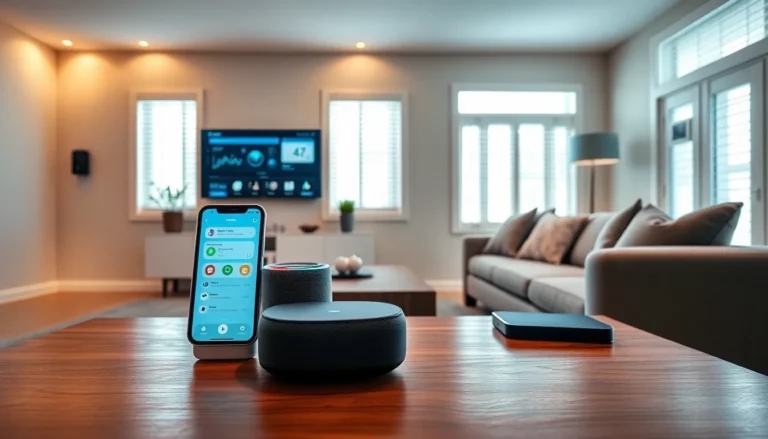
Smart speakers sit at the center of most smart home setups. They serve as the command hub, answering questions, playing music, setting timers, and controlling other connected devices.
Amazon Echo devices remain popular choices in 2025. The latest Echo models feature improved audio quality and faster response times. They integrate with Alexa, which now supports over 140,000 smart home devices from various brands.
Google Nest speakers offer a strong alternative. Google Assistant excels at answering complex questions and pulling information from the web. The Nest Audio delivers solid sound for its price, while the Nest Hub adds a display for visual controls and video calls.
Apple’s HomePod lineup appeals to iPhone users. The HomePod mini provides excellent sound in a compact size. Siri integration works smoothly with Apple Music and HomeKit-compatible devices.
What to consider when buying:
- Ecosystem compatibility (choose based on existing devices)
- Sound quality for music playback
- Privacy features and microphone controls
- Multi-room audio support
Top smart home tech starts with a solid voice assistant. It becomes the bridge connecting everything else in the house.
Smart Lighting Systems
Smart lighting offers one of the quickest upgrades for any home. Changing bulbs takes minutes, and the benefits show up immediately.
Philips Hue leads the market with a wide range of bulbs, light strips, and fixtures. The system uses a bridge that connects to a router, providing reliable performance. Users can set schedules, create scenes, and adjust colors using the app or voice commands.
Wyze bulbs deliver solid performance at budget prices. They work over Wi-Fi without needing a separate hub. For basic on/off control and dimming, they get the job done.
Nanoleaf panels add visual flair to walls. These modular light panels can display millions of colors and react to music. They’re popular for home offices and gaming setups.
Benefits of smart lighting:
- Energy savings through scheduling and motion sensors
- Mood setting with color temperature adjustments
- Security features like vacation mode (lights turn on/off automatically)
- Integration with other smart home tech for automated routines
Smart switches and dimmers present another option. Lutron Caseta switches replace standard wall switches and work with existing bulbs. This approach suits renters or anyone who prefers traditional light fixtures.
Smart lighting represents essential top smart home tech that delivers daily value without major installation hassles.
Smart Thermostats and Climate Control
Smart thermostats save money. It’s that simple. These devices learn household patterns and adjust heating and cooling to reduce waste.
Google Nest Learning Thermostat remains a top pick. It studies when people are home, what temperatures they prefer, and creates automatic schedules. The device claims to save users 10-12% on heating and 15% on cooling bills annually.
Ecobee thermostats include room sensors in the box. These sensors detect occupancy and temperature in different rooms, helping the system balance comfort throughout the house. The SmartThermostat Premium adds a built-in speaker with Alexa support.
Honeywell Home T9 offers zone control capabilities. It works well in larger homes where temperatures vary between rooms. The app provides detailed energy reports and HVAC maintenance reminders.
Key features to look for:
- Learning capabilities and automatic scheduling
- Remote access through smartphone apps
- Compatibility with existing HVAC systems
- Energy usage reports and insights
- Room sensor support for multi-zone control
Smart fans and air purifiers add another layer. Devices like the Dyson Purifier Cool connect to apps and work with voice assistants. They monitor air quality and adjust fan speeds automatically.
Climate control stands out as top smart home tech that pays for itself through energy savings, often within the first year or two.
Smart Security Devices
Home security has shifted dramatically toward DIY smart options. Professional monitoring is now optional rather than required.
Video doorbells let homeowners see and speak with visitors from anywhere. Ring Video Doorbell 4 captures clear 1080p video with improved color night vision. Google Nest Doorbell (battery) offers continuous recording with a Nest Aware subscription. Both send instant alerts when someone approaches.
Outdoor cameras cover blind spots around the property. Arlo Pro 5S delivers 2K video, color night vision, and a built-in spotlight. It runs on rechargeable batteries, so installation requires no wiring.
Smart locks eliminate the need for physical keys. August WiFi Smart Lock retrofits onto existing deadbolts in minutes. Schlage Encode Plus works with Apple Home Key, letting iPhone users unlock doors with a tap.
Popular security options:
- Video doorbells (Ring, Nest, Eufy)
- Indoor/outdoor cameras (Arlo, Wyze, Blink)
- Smart locks (August, Schlage, Yale)
- Complete security systems (Ring Alarm, SimpliSafe)
Ring Alarm and SimpliSafe provide full security systems with entry sensors, motion detectors, and optional professional monitoring. Both systems install without drilling or professional help.
Smart security devices rank among the most impactful top smart home tech investments. They provide peace of mind and can lower homeowner’s insurance rates.
Smart Plugs and Appliances
Smart plugs turn any device into a smart device. Plug in a lamp, coffee maker, or fan, then control it by voice or app.
Amazon Smart Plug works instantly with Alexa. TP-Link Kasa plugs offer energy monitoring to track how much power connected devices use. Both options cost under $20.
For appliances that draw more power, smart outlets handle heavier loads. Space heaters, air conditioners, and small appliances benefit from scheduled on/off times and remote control.
Practical uses for smart plugs:
- Turn off “vampire” electronics that draw standby power
- Schedule coffee makers to start before the alarm goes off
- Control holiday lights from the couch
- Create presence simulation when traveling
Smart appliances have matured considerably. Samsung’s SmartThings-enabled refrigerators can display calendars, play music, and even peek inside through internal cameras. LG ThinQ washers and dryers send notifications when cycles complete.
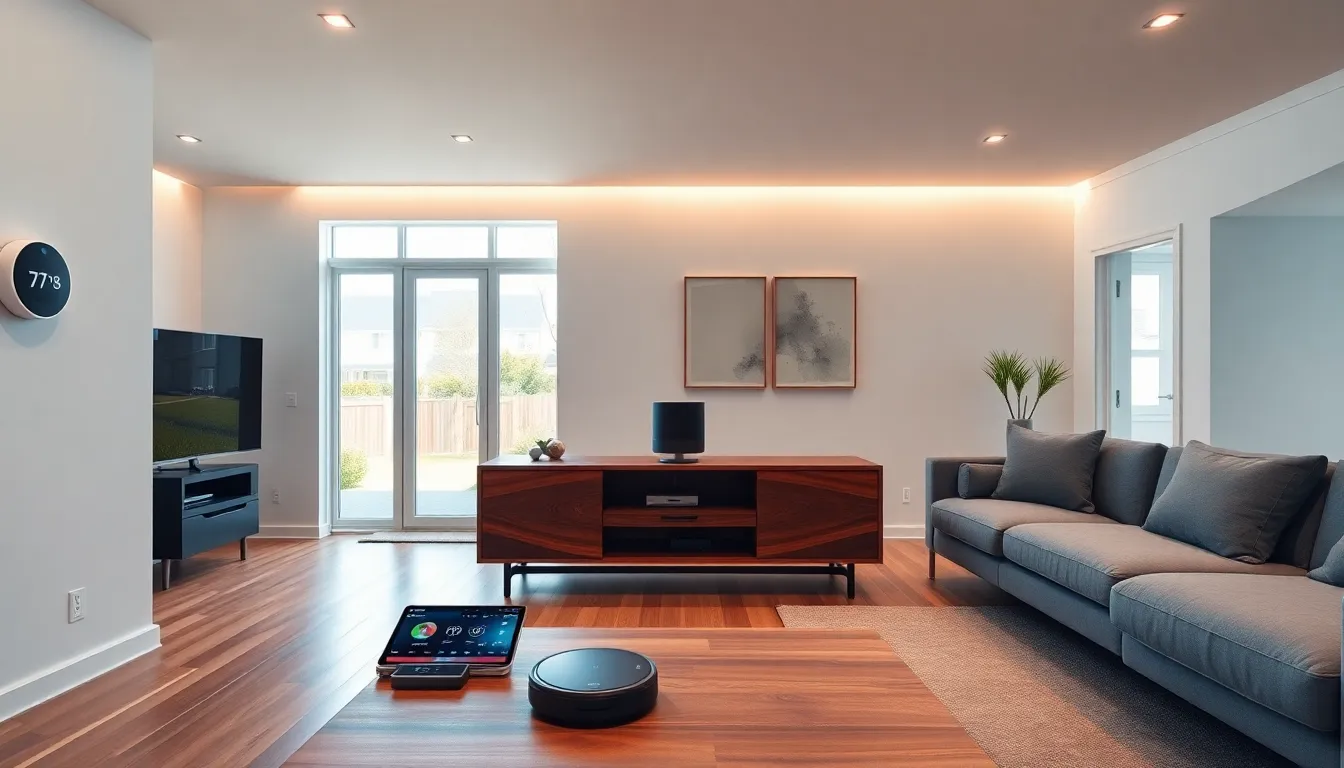
Robot vacuums deserve mention here. iRobot Roomba j9+ and Roborock S8 Pro Ultra clean floors autonomously. They map rooms, avoid obstacles, and even empty their dustbins into charging stations.
Smart plugs offer the most affordable entry point into top smart home tech. They require zero installation and work with existing items throughout the house.