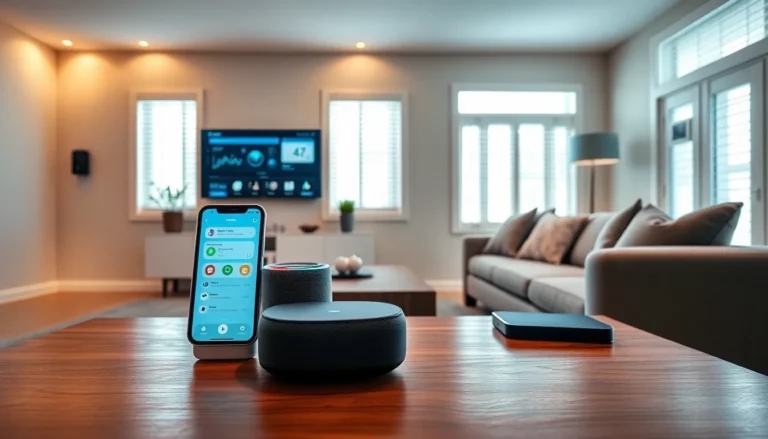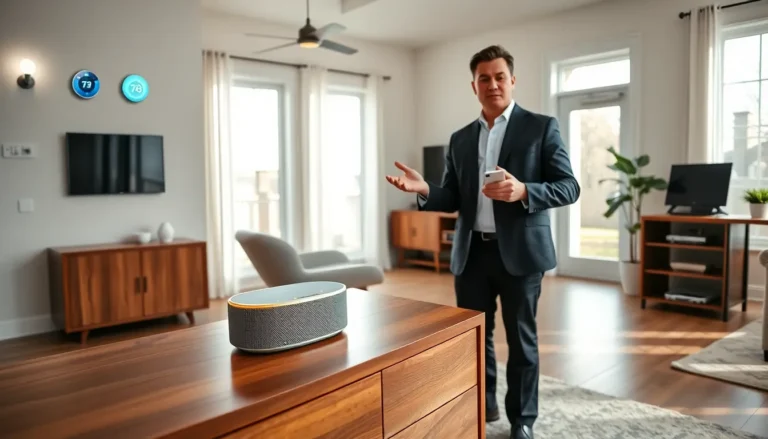
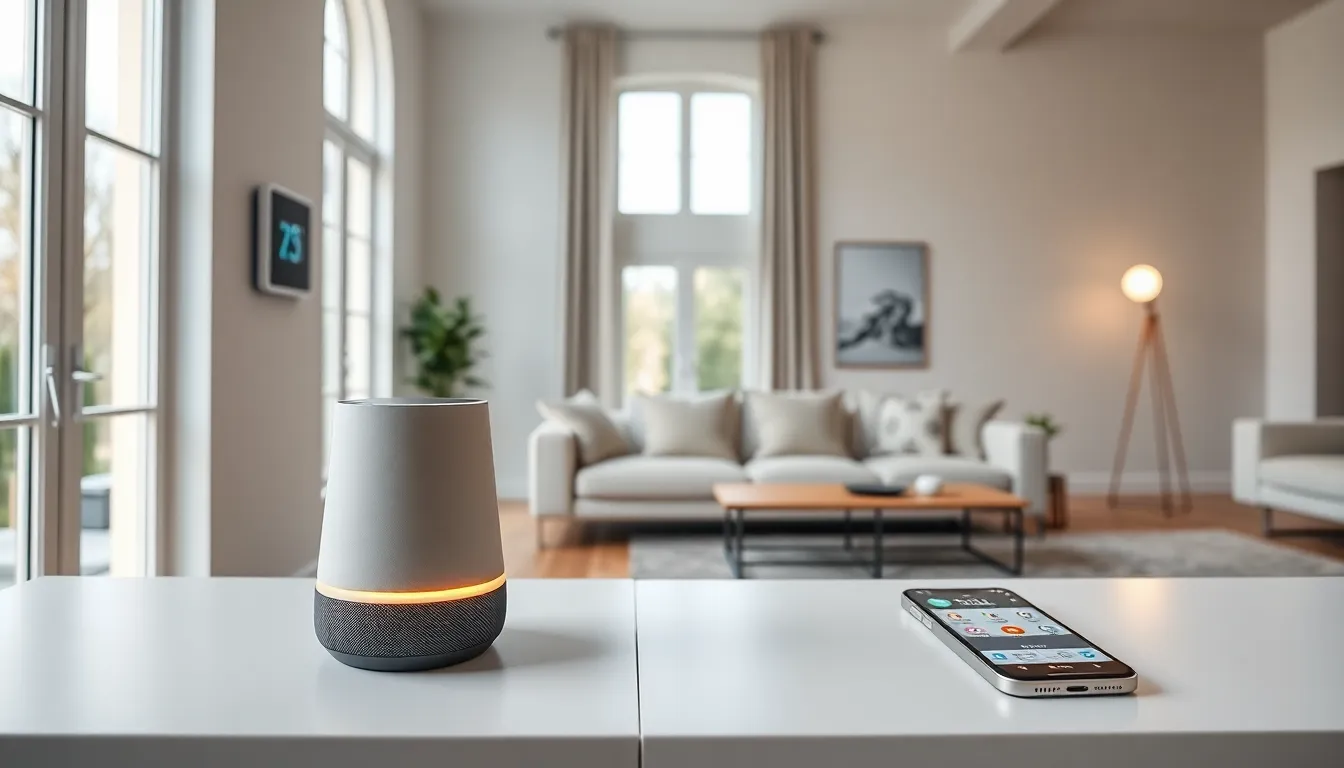
Smart home tech transforms ordinary houses into connected, automated spaces. Lights that respond to voice commands, thermostats that learn daily routines, and security cameras accessible from anywhere, these features are now affordable and easy to install. Getting started with smart home tech doesn’t require technical expertise or a massive budget. This guide breaks down the essentials: understanding the basics, choosing the right ecosystem, selecting starter devices, and building a reliable network. Whether someone wants to automate a single room or an entire property, the following steps provide a clear path forward.
Table of Contents
ToggleKey Takeaways
- Smart home tech connects everyday devices to the internet, allowing remote control and automation without technical expertise.
- Choose an ecosystem (Amazon Alexa, Google Home, or Apple HomeKit) based on your existing devices and priorities like compatibility, privacy, or service integration.
- Start with affordable essentials like smart speakers, plugs, and lighting to experience immediate benefits without overspending.
- A stable Wi-Fi network with a modern router is essential—create a separate network for smart devices to improve security and performance.
- Look for Matter-compatible devices to future-proof your smart home and enable cross-platform functionality.
- Expand gradually room by room, automate existing devices fully, and wait for sales to build your smart home cost-effectively.
Understanding Smart Home Technology Basics
Smart home technology connects everyday devices to the internet, allowing users to control them remotely or through automation. A smart light bulb, for example, can be turned on via a smartphone app or voice assistant. A smart thermostat adjusts temperatures based on schedules or occupancy sensors.
Three core components make smart home tech work:
- Smart devices: These are the physical products, bulbs, plugs, locks, cameras, and sensors.
- Connectivity protocols: Devices communicate through Wi-Fi, Bluetooth, Zigbee, Z-Wave, or the newer Matter standard.
- Control hubs or apps: Users manage devices through smartphone apps, voice assistants like Alexa or Google Assistant, or dedicated smart home hubs.
Smart home tech operates on simple principles. Devices connect to a home network. Users send commands through apps or voice. Automation rules trigger actions based on time, location, or sensor input. Someone could set their porch lights to turn on at sunset or have their coffee maker start brewing when their morning alarm goes off.
The learning curve is minimal. Most smart devices come with straightforward setup processes. Download an app, connect to Wi-Fi, and follow on-screen instructions. Within minutes, a standard device becomes part of an automated home.
Choosing a Smart Home Ecosystem
An ecosystem determines which devices work together and how users control them. The three major smart home ecosystems are Amazon Alexa, Google Home, and Apple HomeKit. Each has strengths and limitations.
Amazon Alexa offers the widest device compatibility. Thousands of products work with Alexa, making it easy to mix and match brands. Echo speakers serve as control hubs. Alexa excels at voice commands and integrates with Amazon’s shopping and entertainment services.
Google Home provides strong integration with Google services like Calendar, Maps, and YouTube. Google Assistant handles natural language queries well. Nest products, thermostats, cameras, doorbells, connect seamlessly within this ecosystem.
Apple HomeKit prioritizes privacy and security. Apple encrypts device communications end-to-end. HomeKit works best for households already invested in iPhones, iPads, and Macs. Device selection is smaller than Alexa or Google, but the experience is polished.
The Matter protocol is changing this landscape. Matter enables devices from different ecosystems to communicate with each other. A Matter-compatible smart plug can work with Alexa, Google Home, and HomeKit simultaneously. When buying new smart home tech, look for Matter support to future-proof purchases.
Choose an ecosystem based on existing devices. iPhone users might prefer HomeKit. Android users often gravitate toward Google Home. Those prioritizing device variety typically start with Alexa.
Essential Smart Devices for Beginners
Starting with smart home tech doesn’t mean buying everything at once. A few key devices deliver immediate benefits without overwhelming newcomers.
Smart Speakers or Displays
A smart speaker acts as the command center for most smart homes. Amazon Echo, Google Nest Audio, or Apple HomePod Mini respond to voice commands and control other connected devices. Smart displays add screens for video calls, recipe viewing, and security camera feeds.
Smart Lighting
Smart bulbs and switches offer quick wins. Philips Hue, LIFX, and Wyze produce reliable options at various price points. Users can dim lights from the couch, set schedules, or sync colors to movies and music. Smart switches control existing fixtures without replacing bulbs.
Smart Plugs
These simple devices turn any outlet into a smart outlet. Plug in a lamp, fan, or coffee maker. Control power through an app or voice command. Smart plugs cost under $15 and require zero installation. They’re an excellent entry point for smart home tech.
Smart Thermostats
Nest, Ecobee, and Honeywell make thermostats that learn household patterns and optimize energy use. Remote access means adjusting temperatures from anywhere. Many utility companies offer rebates for smart thermostat installation.
Video Doorbells and Cameras
Ring, Nest, and Arlo produce video doorbells that show who’s at the door via smartphone. Indoor and outdoor cameras add security layers. Motion alerts notify homeowners of activity in real time.
Setting Up Your Smart Home Network
Smart home tech relies on a stable network. A weak Wi-Fi signal causes devices to disconnect, respond slowly, or fail entirely. Proper network setup prevents frustration.
Upgrade the router if needed. Older routers struggle with multiple connected devices. A modern Wi-Fi 6 router handles dozens of smart devices without lag. Mesh systems from Eero, Google Nest, or TP-Link Deco extend coverage throughout larger homes.
Create a separate network for smart devices. Many routers allow guest networks. Placing smart home tech on a dedicated network improves security and keeps main devices running fast. If a smart bulb gets compromised, it can’t access computers or phones on the primary network.
Position devices within range. Smart home tech needs consistent connectivity. Place hubs and speakers centrally. Use Wi-Fi extenders or mesh nodes in dead zones. Devices that use Zigbee or Z-Wave create their own mesh networks, adding more devices actually improves coverage.
Secure the network properly. Use strong, unique passwords for Wi-Fi and each device account. Enable two-factor authentication where available. Update firmware regularly. Smart home tech can create security vulnerabilities if left with default passwords or outdated software.
A solid network foundation makes every smart device work better. Invest time here before adding more products.
Tips for Expanding Your Smart Home Over Time
Building a smart home works best as a gradual process. Rushing leads to compatibility issues and wasted money. These strategies help expand smart home tech thoughtfully.
Add devices room by room. Master one space before moving to the next. A fully automated bedroom, with smart lights, a connected alarm clock, and automated blinds, teaches lessons that apply elsewhere. Mistakes cost less when limited to one area.
Stick with one ecosystem when possible. Cross-platform devices exist, but staying within Amazon, Google, or Apple keeps things simpler. Devices communicate more reliably. Automation becomes easier to program.
Wait for sales. Prime Day, Black Friday, and holiday seasons bring steep discounts on smart home tech. A $200 smart lock might drop to $120. Patience saves money for additional purchases.
Automate before adding new devices. Most people underuse their existing smart home tech. Before buying more, explore what current devices can do. Set up routines that dim lights at bedtime, lock doors at night, or announce when someone arrives home. Automation delivers the real convenience of smart homes.
Read reviews and check compatibility. Not every product delivers on its promises. Check user reviews for real-world performance. Verify devices work with the chosen ecosystem before purchasing. Return policies matter, some smart products don’t live up to expectations.