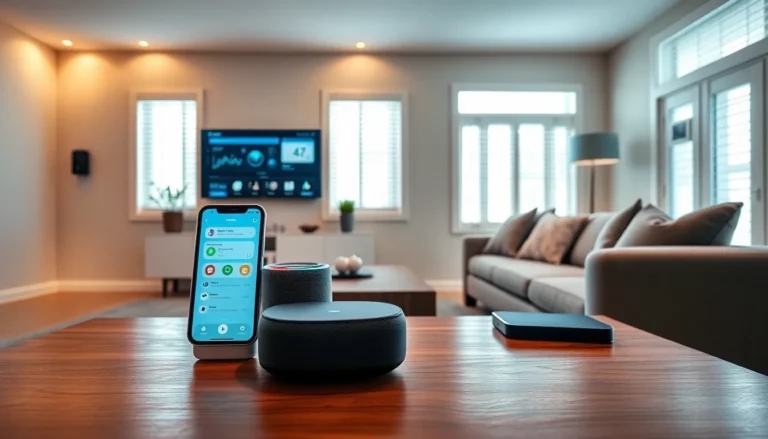

Smart home tech tips can transform an ordinary house into a more efficient, secure, and comfortable space. The average American household now owns over 20 connected devices, yet many homeowners barely scratch the surface of what their technology can do. This guide covers practical strategies to get more from smart home systems. Readers will learn how to select the right hub, secure their devices, automate daily tasks, strengthen their Wi-Fi, and choose energy-efficient products. These smart home tech tips work for beginners and experienced users alike.
Table of Contents
ToggleKey Takeaways
- Choose one smart home ecosystem (Alexa, Google Home, or Apple HomeKit) and stick with it to avoid compatibility issues.
- Secure all connected devices with strong passwords, two-factor authentication, and regular firmware updates to prevent hacking.
- Use automations and geofencing to streamline daily routines like morning wake-ups, evening lockdowns, and energy management.
- Upgrade to a mesh Wi-Fi system or Wi-Fi 6 router to handle 20+ smart devices without connectivity issues.
- Invest in smart thermostats, LED bulbs, and smart plugs to reduce energy bills by 20-30% over time.
- Apply these smart home tech tips gradually—start with a smart speaker and expand as you learn what features benefit your household most.
Start With a Central Hub or Ecosystem
A central hub acts as the brain of any smart home setup. It connects different devices and allows them to communicate with each other. Without one, homeowners end up juggling multiple apps and voice commands that don’t work together.
The three major ecosystems dominate the market: Amazon Alexa, Google Home, and Apple HomeKit. Each has strengths worth considering. Alexa offers the widest device compatibility. Google Home excels at answering questions and integrating with Android phones. Apple HomeKit provides strong privacy features and works seamlessly with iPhones and iPads.
Here’s a practical smart home tech tip: pick one ecosystem and stick with it. Mixing platforms creates frustration. Before buying any new device, check its compatibility with the chosen hub. Most product listings clearly state which systems they support.
Smart speakers like the Amazon Echo or Google Nest make excellent starting points. They cost under $100 and provide voice control for lights, thermostats, locks, and more. Users can expand their systems gradually as they learn what features matter most to their household.
Prioritize Security for All Connected Devices
Every connected device represents a potential entry point for hackers. Smart cameras, doorbells, and locks handle sensitive data that criminals would love to access. Security deserves serious attention from day one.
Start with strong, unique passwords for every device and account. Password managers like 1Password or Bitwarden generate and store complex passwords automatically. Never use default credentials that come with new devices, hackers know them all.
Enable two-factor authentication wherever possible. This smart home tech tip alone stops most unauthorized access attempts. Even if someone steals a password, they can’t log in without the second verification step.
Keep firmware updated on all devices. Manufacturers release patches to fix security vulnerabilities. Many smart devices offer automatic updates: turn this feature on. For devices that require manual updates, set a monthly reminder to check.
Consider creating a separate Wi-Fi network just for smart home devices. Most modern routers support guest networks. This isolation prevents a compromised smart bulb from giving hackers access to computers and phones on the main network.
Automate Everyday Routines for Convenience
Automation turns a collection of smart devices into a truly intelligent home. Instead of manually controlling each gadget, homeowners can create routines that handle tasks automatically.
Morning routines offer a great starting point. A single voice command or scheduled trigger can turn on lights, start the coffee maker, adjust the thermostat, and play the news. Evening routines might dim lights, lock doors, and lower the temperature for sleep.
Motion sensors add another layer of smart home tech tips in action. Place them in hallways, bathrooms, or closets to trigger lights automatically. No more fumbling for switches in the dark or forgetting to turn lights off.
Geofencing uses phone location to trigger automations. The system knows when residents leave or arrive home. Lights can turn off automatically when everyone leaves. The thermostat can start heating or cooling before anyone walks through the door.
IFTTT (If This Then That) and similar services connect devices across different brands. They create automations that wouldn’t otherwise be possible. For example, a smart smoke detector can automatically unlock doors and turn on all lights during an emergency.
Optimize Your Wi-Fi Network for Reliability
Smart home devices depend entirely on Wi-Fi connectivity. A weak or overloaded network causes delays, disconnections, and endless frustration. Investing in network improvements pays off quickly.
Mesh Wi-Fi systems solve coverage problems in larger homes. Products from Eero, Google Nest, and TP-Link Deco place multiple access points throughout the house. Devices connect to the nearest point automatically, eliminating dead zones.
Router placement matters more than most people realize. Position it centrally, away from walls and metal objects. Keep it elevated, routers on the floor perform poorly. Avoid placing routers near microwaves, cordless phones, or baby monitors that cause interference.
This smart home tech tip saves headaches: upgrade to a Wi-Fi 6 or Wi-Fi 6E router. These newer standards handle more simultaneous connections without slowing down. A household with 30+ smart devices needs this extra capacity.
Check which devices connect to the 2.4GHz band versus the 5GHz band. Smart home gadgets typically use 2.4GHz for its longer range. Phones and laptops perform better on 5GHz. Separating traffic prevents congestion on either frequency.
Choose Energy-Efficient Smart Devices
Smart technology can reduce energy bills significantly, or increase them if chosen poorly. The right devices pay for themselves through savings over time.
Smart thermostats deliver the biggest impact. The Nest Learning Thermostat and Ecobee SmartThermostat learn household patterns and adjust temperatures automatically. Users report savings of 10-15% on heating and cooling costs. That translates to $100-200 annually for many homes.
Smart plugs reveal which devices waste electricity. They monitor energy usage in real time and can cut power to devices on standby. Electronics in standby mode account for 5-10% of residential energy use.
LED smart bulbs use 75% less energy than incandescent bulbs. They also last 25 times longer. Smart features add scheduling and dimming capabilities that save even more. Turning lights off automatically when rooms empty prevents waste.
Smart power strips shut down connected devices completely when not in use. They work well for entertainment centers where TVs, gaming consoles, and sound systems draw power constantly. One strip can prevent $100+ in annual standby costs.
These smart home tech tips compound over time. A fully optimized home can cut energy bills by 20-30% compared to traditional setups.