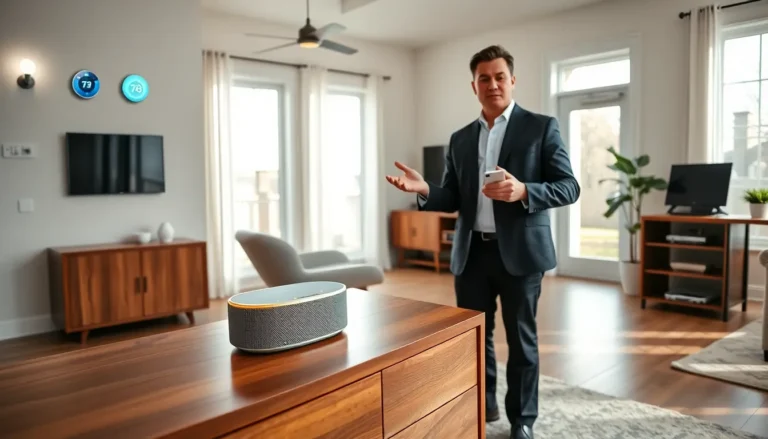
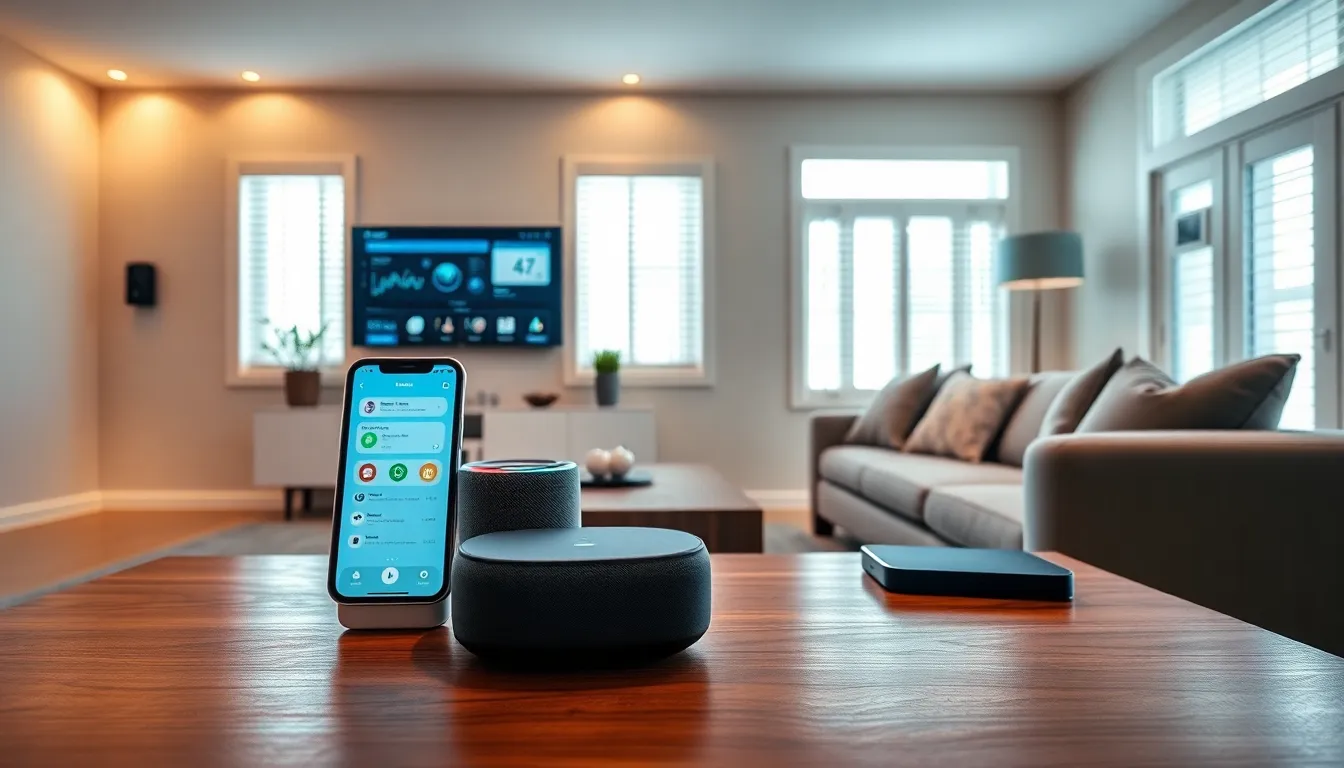
Smart home tech examples range from voice-controlled speakers to intelligent thermostats that learn daily routines. These devices transform ordinary houses into connected living spaces where convenience meets efficiency. The global smart home market reached $121 billion in 2024, and adoption continues to grow as prices drop and technology improves. Whether someone wants to save energy, boost security, or simply turn off lights without leaving the couch, today’s smart home devices deliver practical solutions. This guide covers the most useful smart home tech examples available, from entry-level gadgets to advanced systems that tie everything together.
Table of Contents
ToggleKey Takeaways
- Smart home tech examples range from voice assistants and smart lighting to security systems, making everyday tasks more convenient and efficient.
- Smart thermostats like Nest and Ecobee can reduce heating and cooling costs by 10-15%, often paying for themselves within two years.
- Video doorbells, smart locks, and sensor-based security systems allow homeowners to monitor and protect their homes remotely from anywhere.
- Voice assistants such as Alexa, Google Assistant, and Siri serve as the central command hub for controlling connected devices throughout the home.
- Smart appliances—including robot vacuums, refrigerators with internal cameras, and automated coffee makers—simplify household chores and routines.
- Multi-room audio systems and streaming devices integrate seamlessly with other smart home tech examples to create a fully connected entertainment experience.
Voice Assistants and Smart Speakers
Voice assistants serve as the command center for most smart home setups. Amazon Alexa, Google Assistant, and Apple Siri power millions of devices worldwide. These assistants respond to spoken commands, answer questions, and control other connected devices throughout the home.
Smart speakers like the Amazon Echo and Google Nest Audio offer the simplest entry point into smart home tech examples. They play music, set timers, read news updates, and manage shopping lists. But their real value comes from integration. A single voice command can dim the lights, lock the doors, and start the coffee maker.
The Echo Show and Google Nest Hub add screens to the mix. Users can watch video doorbells, follow cooking tutorials, or make video calls. These displays also show calendar events, weather forecasts, and photo slideshows when not actively in use.
Apple’s HomePod Mini appeals to iPhone users who want tight integration with their existing devices. It works exclusively with Apple’s HomeKit platform, which limits compatibility but offers strong privacy protections.
Voice assistants have improved dramatically in recent years. They understand natural speech patterns better, recognize different family members’ voices, and support routines that trigger multiple actions with one phrase. Saying “good morning” can open the blinds, start the coffee, and read the day’s schedule.
Smart Lighting and Climate Control
Smart lighting ranks among the most popular smart home tech examples for good reason. Smart bulbs like Philips Hue, LIFX, and Wyze cost between $8 and $50 each. They screw into standard sockets and connect through Wi-Fi or dedicated hubs.
These bulbs do more than turn on and off remotely. They change colors, dim to specific levels, and follow schedules. Some models sync with movies or music for ambient entertainment. Others simulate sunrise to make waking up easier.
Smart switches offer another approach. Instead of replacing bulbs, homeowners replace wall switches. This setup controls any bulb, smart or not, and maintains familiar physical controls. Lutron Caseta and TP-Link Kasa make reliable options that work with most smart home platforms.
Smart Thermostats
Climate control represents one of the smartest investments in home technology. The Nest Learning Thermostat and Ecobee SmartThermostat learn household patterns over time. They adjust temperatures based on when people typically leave for work or go to sleep.
These devices save money. The average household spends about $1,900 annually on energy bills. Smart thermostats can cut heating and cooling costs by 10-15%. That pays for the device within a year or two.
Geofencing adds another layer of intelligence. The thermostat detects when residents leave the area via their smartphones and adjusts accordingly. It starts heating or cooling before they return home.
Smart vents take things further by directing airflow to occupied rooms. Combined with temperature sensors in different zones, these systems balance comfort throughout the house instead of treating it as one uniform space.
Home Security and Surveillance Systems
Security devices make up a significant portion of smart home tech examples. Video doorbells from Ring, Nest, and Eufy let homeowners see and speak with visitors from anywhere. They record motion-activated clips and send instant alerts to smartphones.
Indoor and outdoor cameras provide broader coverage. Many models offer free local storage on SD cards, while others require subscription plans for cloud recording. Features vary, some include spotlights, sirens, or two-way audio. Battery-powered options install easily without wiring.
Smart locks eliminate the need for physical keys. The August Wi-Fi Smart Lock and Schlage Encode allow remote locking and unlocking. Users can create temporary access codes for guests, dog walkers, or delivery drivers. Activity logs show exactly when each code was used.
Sensors and Alarms
Window and door sensors detect openings and send notifications. Water leak sensors sit near washing machines, water heaters, and under sinks. They alert homeowners to problems before minor drips become major floods.
Smoke and carbon monoxide detectors have gone smart too. The Nest Protect identifies the type of danger and its location. It speaks alerts instead of just beeping and sends notifications to phones even when no one’s home.
Complete security systems from SimpliSafe, Ring Alarm, and Abode combine multiple sensors with professional monitoring options. Monthly fees typically run $10-30, significantly less than traditional security companies charge.
Smart Appliances and Entertainment
Kitchen appliances represent growing smart home tech examples. Smart refrigerators from Samsung and LG include internal cameras. Users check contents from the grocery store without opening the door. Some models track expiration dates and suggest recipes based on available ingredients.
Smart ovens preheat remotely and adjust cooking times automatically. The June Oven identifies foods using a built-in camera and selects appropriate settings. Smart coffee makers start brewing before the alarm even goes off.
Robot vacuums have matured significantly. The iRobot Roomba j9+ and Roborock S8 Pro Ultra map homes, avoid obstacles, empty their own dustbins, and mop floors. They run on schedules or by voice command.
Entertainment Systems
Streaming devices like Roku, Apple TV, and Amazon Fire TV turn any television into a smart TV. They respond to voice commands and integrate with whole-home audio systems.
Smart TVs themselves include built-in assistants and connect directly to smart home ecosystems. Samsung’s SmartThings platform and LG’s ThinQ system let televisions display security cameras, control lights, or show who’s at the front door.
Multi-room audio from Sonos, Bose, and Amazon fills homes with synchronized music. Speakers in different rooms play the same track or different content. Voice control makes switching playlists effortless.
Gaming has joined the smart home too. Modern consoles double as entertainment hubs and respond to voice assistants. Some TVs automatically switch inputs and adjust picture settings when games launch.