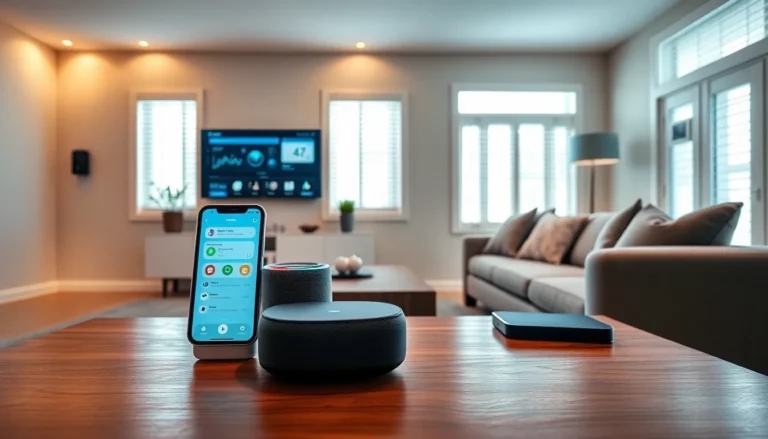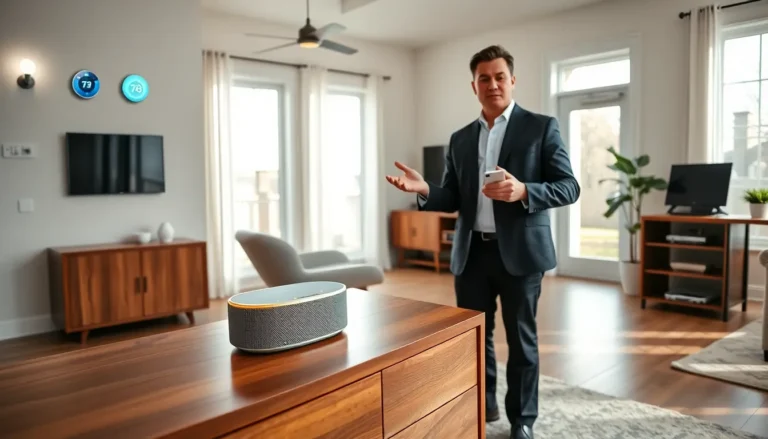

The best smart home tech transforms ordinary houses into efficient, connected living spaces. Smart devices now control lighting, security, climate, and entertainment with simple voice commands or smartphone taps. Homeowners save time, reduce energy bills, and enjoy greater convenience through these innovations.
This guide covers the top smart home tech categories worth considering in 2025. From voice assistants to smart thermostats, each section breaks down what works, what matters, and how to build a system that fits specific needs.
Table of Contents
ToggleKey Takeaways
- The best smart home tech includes smart speakers, lighting, security devices, and thermostats that work together to save time, energy, and money.
- Smart speakers like Amazon Echo, Google Nest, and Apple HomePod serve as central hubs for controlling all connected devices via voice commands.
- Smart thermostats can reduce heating and cooling bills by 10-23% by learning household patterns and adjusting temperatures automatically.
- Choose an ecosystem (Alexa, Google Home, or Apple HomeKit) based on your existing devices, privacy preferences, and budget.
- Matter certification in newer smart home tech products enables cross-platform compatibility, reducing ecosystem lock-in concerns.
- Start with one smart home category and expand over time rather than trying to build a complete system all at once.
Smart Speakers and Voice Assistants
Smart speakers serve as the central hub for most smart home tech setups. These devices respond to voice commands, play music, answer questions, and control other connected devices throughout the home.
Amazon Echo devices remain the most popular choice, with Alexa supporting over 100,000 smart home products. The Echo Dot offers an affordable entry point, while the Echo Show adds a touchscreen for video calls and visual feedback. Google Nest speakers provide excellent search integration and natural conversation abilities. Apple’s HomePod mini works seamlessly with iPhone users and prioritizes privacy.
Voice assistants handle daily tasks efficiently. They set timers, create shopping lists, read news updates, and stream podcasts. More importantly, they connect to other smart home tech devices to create automated routines.
For example, saying “Good morning” can trigger lights to turn on, the thermostat to adjust, and a coffee maker to start brewing. This hands-free control makes mornings smoother and evenings more relaxing.
When selecting a smart speaker, consider which ecosystem fits existing devices. Amazon Alexa offers the widest compatibility. Google Assistant excels at answering complex questions. Apple HomeKit provides the strongest privacy protections. The best choice depends on personal priorities and current device ownership.
Smart Lighting Solutions
Smart lighting ranks among the most accessible best smart home tech upgrades. These systems replace standard bulbs or switches, allowing control through apps, voice commands, or automated schedules.
Philips Hue leads the market with reliable bulbs and extensive color options. A starter kit includes bulbs and a bridge that connects to home Wi-Fi. Users can set scenes, dim lights, and change colors from anywhere. LIFX bulbs skip the bridge requirement entirely, they connect directly to Wi-Fi for simpler installation.
Smart switches offer another approach. Lutron Caseta switches replace existing wall switches and work with any bulb type. This option makes sense for homes with multiple bulbs per fixture or decorative lighting that can’t accept smart bulbs.
Automation takes smart lighting further. Motion sensors turn on hallway lights at night. Geofencing activates porch lights when residents arrive home. Sunset schedules gradually dim living room lights as evening approaches.
Energy savings add up quickly. Smart lighting reduces electricity use by ensuring lights only run when needed. Some systems track energy consumption and suggest efficiency improvements.
Color-changing bulbs also support wellness. Warm tones in the evening help prepare the body for sleep. Bright, cool light in the morning boosts alertness. This smart home tech essentially turns lighting into a tool for better daily routines.
Smart Security Devices
Smart security devices protect homes while providing peace of mind. This category of smart home tech includes cameras, doorbells, locks, and comprehensive alarm systems.
Video doorbells changed how homeowners answer their doors. Ring and Google Nest doorbell cameras show visitors on smartphones, even when nobody’s home. Two-way audio allows conversations with delivery drivers or guests. Motion detection sends alerts when someone approaches.
Indoor and outdoor cameras add extra visibility. Arlo cameras offer wire-free installation and excellent video quality. Wyze cameras deliver solid performance at budget-friendly prices. Most cameras include cloud storage subscriptions, though some support local storage on memory cards.
Smart locks eliminate the need for physical keys. August and Schlage locks allow unlocking through smartphones, keypads, or voice commands. Temporary access codes work well for guests or service workers. Auto-lock features ensure doors stay secure.
Comprehensive systems combine multiple devices. SimpliSafe and Ring Alarm packages include sensors for doors, windows, and motion. Professional monitoring services contact emergency responders during alerts. Self-monitoring options reduce monthly costs while maintaining app notifications.
Integration with other smart home tech strengthens security. Cameras can trigger lights when motion is detected. Locks can arm alarm systems automatically. These connections create layered protection that responds intelligently to potential threats.
Smart Thermostats and Climate Control
Smart thermostats deliver significant energy savings and improved comfort. These devices learn household patterns and adjust temperatures automatically, making them essential smart home tech investments.
The Nest Learning Thermostat pioneered this category. It studies when residents are home, asleep, or away, then creates an optimized schedule. The Ecobee SmartThermostat includes a room sensor that measures temperature in different areas. This prevents the common problem of one room being too hot while another stays cold.
Energy savings range from 10-23% on heating and cooling bills, according to manufacturer studies. Smart thermostats achieve this by reducing waste. They lower heating when everyone leaves for work and raise it before people return home.
Remote control proves valuable during unexpected schedule changes. Returning home early? Adjust the temperature from the car. Leaving for vacation? Set an away mode that maintains minimal conditioning.
Smart home tech extends to other climate devices. Smart ceiling fans adjust speed based on temperature and occupancy. Portable air conditioners and space heaters accept smart plugs for app control. Air purifiers with smart features report air quality levels and adjust fan speeds accordingly.
Voice control adds convenience. Commands like “make it cooler in here” adjust settings without touching a phone or thermostat. Integration with other devices creates useful automations, opening smart blinds during sunny winter days lets natural warmth reduce heating needs.
How to Choose the Right Smart Home Ecosystem
Selecting the right ecosystem determines how well smart home tech devices work together. The three major platforms, Amazon Alexa, Google Home, and Apple HomeKit, each offer distinct advantages.
Amazon Alexa supports the largest number of third-party devices. Budget-conscious shoppers find more affordable options within this ecosystem. Alexa routines allow complex automations without technical knowledge. The tradeoff involves more data collection compared to Apple’s approach.
Google Home excels at understanding natural language commands. It handles follow-up questions well and integrates tightly with Google services like Calendar and Maps. Nest devices work best within this ecosystem. Google’s smart displays show helpful visual information alongside voice responses.
Apple HomeKit prioritizes privacy and security. Devices must meet strict certification requirements. This limits options but ensures quality. HomeKit works best for households already invested in iPhones, iPads, and Macs. Siri handles basic commands but lags behind competitors in smart home capabilities.
Matter, a new universal standard, changes this calculation. Devices with Matter support work across all three platforms. This reduces lock-in concerns and expands compatibility. Many 2024 and 2025 smart home tech products include Matter certification.
Practical advice: start with existing devices. iPhone users might prefer HomeKit. Households with Fire TV and Echo devices should stick with Alexa. Android users often find Google Home most natural.
Budget also matters. Alexa-compatible devices span every price point. HomeKit devices typically cost more but last longer. Building a smart home doesn’t require picking everything at once, start with one category and expand over time.