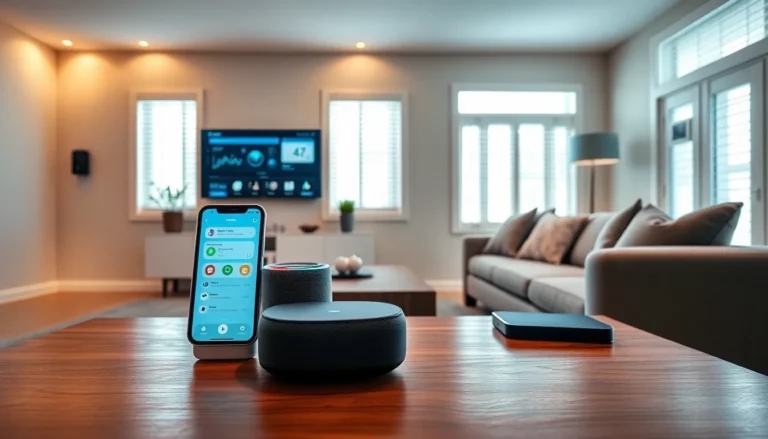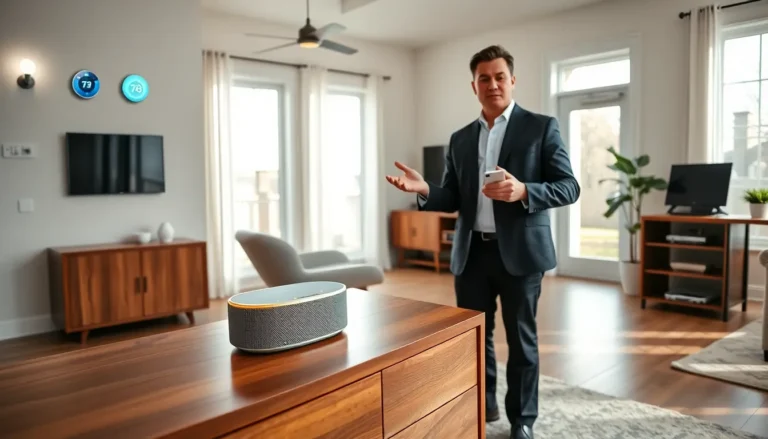

A smart home tech guide can transform any living space into a connected, efficient environment. Smart home technology has moved from futuristic concept to everyday reality. Millions of households now use voice assistants, automated lighting, and connected security systems. This guide covers the essentials, from understanding what smart home tech actually is to setting up devices and keeping networks secure. Whether someone is starting from scratch or expanding an existing setup, these insights provide a clear path forward.
Table of Contents
ToggleKey Takeaways
- Smart home tech connects devices like lighting, thermostats, and security systems through Wi-Fi or Bluetooth for convenient control via apps or voice commands.
- Start your smart home setup with a central platform like Amazon Alexa, Google Home, or Apple HomeKit to ensure device compatibility.
- Essential beginner devices include smart speakers, smart bulbs, thermostats, and security cameras—all affordable entry points for any budget.
- Smart thermostats can reduce heating and cooling costs by 10-15%, making energy savings a key benefit of smart home technology.
- Protect your smart home network by using strong unique passwords, enabling two-factor authentication, and keeping device firmware updated.
- Create automations and routines to unlock the full potential of your smart home tech, from scheduled lighting to morning wake-up sequences.
What Is Smart Home Technology?
Smart home technology refers to devices and systems that connect to the internet and communicate with each other. These devices allow users to control lighting, temperature, security, and entertainment through smartphones, tablets, or voice commands.
The core of any smart home tech setup is connectivity. Devices use Wi-Fi, Bluetooth, Zigbee, or Z-Wave protocols to share data. A smart thermostat, for example, learns heating preferences and adjusts temperatures automatically. A smart doorbell sends video alerts when someone approaches the front door.
Three main benefits drive adoption of smart home technology:
- Convenience – Users can control multiple devices from one app or with voice commands.
- Energy savings – Smart thermostats and lighting reduce electricity waste by running only when needed.
- Security – Connected cameras, locks, and sensors provide real-time monitoring and alerts.
Smart home tech has become more affordable and accessible in recent years. Entry-level devices like smart plugs cost under $20, while comprehensive systems can scale based on budget and needs. The technology works best when devices from different brands operate together through a central hub or platform like Amazon Alexa, Google Home, or Apple HomeKit.
Essential Smart Home Devices for Beginners
Starting a smart home doesn’t require a massive investment. A few key devices create a solid foundation for any smart home tech setup.
Smart Speakers and Voice Assistants
A smart speaker acts as the command center for most smart homes. Amazon Echo, Google Nest, and Apple HomePod respond to voice commands and control compatible devices. They also play music, answer questions, and set timers. Most beginners find a smart speaker the easiest entry point.
Smart Lighting
Smart bulbs and switches let users control lights remotely or set automated schedules. Philips Hue, LIFX, and Wyze offer popular options at various price points. Users can dim lights, change colors, and program scenes, all from a phone. Motion-activated smart lights add both convenience and security.
Smart Thermostats
Devices like Nest, Ecobee, and Honeywell Home learn user preferences and adjust heating and cooling accordingly. Many smart thermostats include occupancy sensors that detect when rooms are empty. The U.S. Department of Energy estimates smart thermostats can save 10-15% on heating and cooling costs.
Smart Plugs
Smart plugs turn ordinary appliances into connected devices. Plug a lamp or coffee maker into a smart plug, and it becomes controllable via app or voice. They’re affordable, easy to install, and require no technical knowledge.
Smart Security Cameras and Doorbells
Ring, Arlo, and Nest cameras provide live video feeds and motion alerts. Smart doorbells let users see and speak with visitors from anywhere. These devices integrate well with other smart home tech and enhance home security significantly.
How to Set Up Your Smart Home Ecosystem
Building a smart home ecosystem requires planning and patience. Following a structured approach prevents compatibility headaches and ensures devices work together smoothly.
Choose a Central Platform
Before buying devices, select a primary platform: Amazon Alexa, Google Home, or Apple HomeKit. Each platform has strengths. Alexa supports the widest range of third-party devices. Google Home excels at answering questions and integrating with Google services. Apple HomeKit offers strong privacy features but works with fewer devices.
Stick with one platform when possible. Mixing platforms creates friction and limits automation options.
Start Small and Expand
Begin with two or three devices. A smart speaker and a few smart bulbs make a good starting point. Learn how they work together before adding more. This approach helps users understand their smart home tech before investing heavily.
Set Up a Dedicated Network
Many smart home experts recommend creating a separate Wi-Fi network for connected devices. This improves performance and adds a layer of security. Most modern routers support guest networks that work well for this purpose.
Create Automations and Routines
The real power of smart home technology comes from automation. Set lights to turn on at sunset. Program the thermostat to lower temperatures at bedtime. Create a “Good Morning” routine that plays news, adjusts the thermostat, and starts the coffee maker. Most platforms offer simple tools for building these routines.
Test and Adjust
After setup, test each device individually and in combination. Adjust sensitivity settings on motion sensors. Fine-tune automation triggers. Smart home tech works best with regular tweaking based on actual use.
Tips for Securing Your Smart Home Network
Connected devices create potential entry points for hackers. Protecting a smart home network requires proactive security measures.
Use Strong, Unique Passwords
Every smart device and account needs a unique password. Avoid default passwords, hackers know them. A password manager helps generate and store strong credentials. Enable two-factor authentication whenever available.
Keep Firmware Updated
Manufacturers release firmware updates to patch security vulnerabilities. Enable automatic updates when possible. Check device apps monthly for available updates. Outdated firmware creates unnecessary risk.
Segment the Network
As mentioned earlier, placing smart home devices on a separate network limits damage if one device is compromised. Hackers can’t easily jump from a vulnerable smart plug to a laptop containing sensitive data.
Review Device Permissions
Smart devices often request more permissions than they need. Review what each device can access. Disable microphones and cameras when not in use. Check app permissions regularly and revoke unnecessary access.
Research Before Buying
Not all smart home tech meets the same security standards. Research manufacturers before purchasing. Look for companies with clear privacy policies and a history of timely security updates. Avoid unknown brands with suspiciously low prices.
Monitor Network Activity
Some routers show which devices are sending and receiving data. Unusual activity, like a light bulb transmitting large amounts of data, signals a potential problem. Security-focused routers and apps can alert users to suspicious behavior.