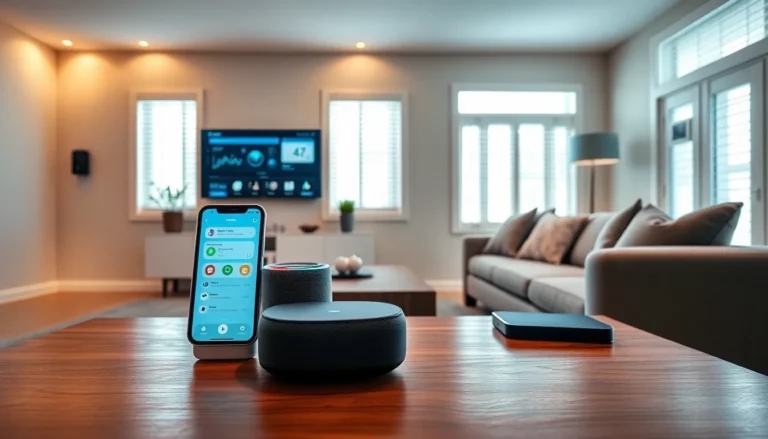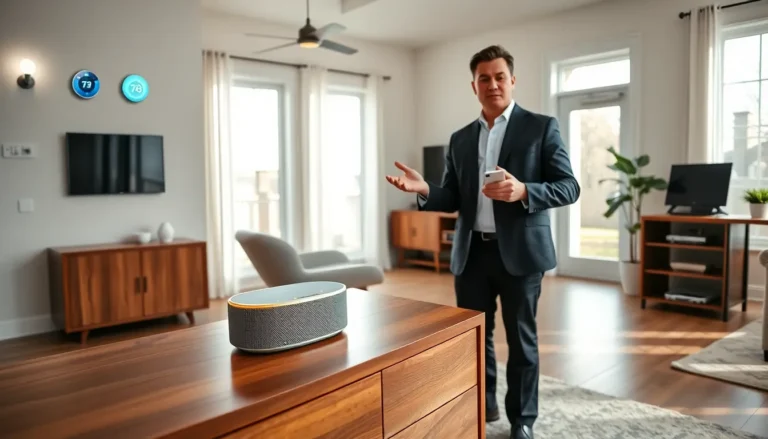

Smart home tech strategies help homeowners build efficient, secure, and connected living spaces. The global smart home market continues to grow as more people adopt devices like voice assistants, smart thermostats, and automated lighting systems. But, adding random gadgets without a plan often leads to frustration, compatibility issues, and wasted money.
A strategic approach makes all the difference. The right smart home tech strategies consider ecosystem compatibility, security protocols, energy savings, and future expansion. This guide covers the essential steps to build a smart home that actually works, one that simplifies daily routines rather than complicating them.
Table of Contents
ToggleKey Takeaways
- Start your smart home tech strategies by choosing a central hub or ecosystem (Alexa, Google Home, or Apple HomeKit) to ensure seamless device compatibility.
- Prioritize security by using WPA3 encryption, unique passwords, two-factor authentication, and reputable device brands to protect your connected home.
- Smart thermostats and automated lighting deliver the highest energy savings, reducing heating and cooling costs by approximately 8% annually.
- Use automation routines to combine actions like morning wake-ups, away modes, and bedtime sequences for maximum convenience and efficiency.
- Scale your smart home gradually—start with a thermostat and speaker, then add devices based on actual needs rather than buying everything at once.
- Choose Matter-certified or Zigbee/Z-Wave devices to future-proof your setup and ensure long-term cross-platform compatibility.
Start With a Central Hub or Ecosystem
Every successful smart home needs a foundation. Smart home tech strategies should begin with choosing a central hub or ecosystem that connects all devices.
The three major ecosystems dominate the market: Amazon Alexa, Google Home, and Apple HomeKit. Each offers distinct advantages. Alexa supports the widest range of third-party devices. Google Home excels at voice recognition and search integration. Apple HomeKit provides tighter security and privacy controls.
Here’s what to consider when choosing a hub:
- Device compatibility: Check which smart devices work with each ecosystem before buying
- Voice assistant preference: The hub determines which voice assistant controls the home
- Existing devices: Households already using iPhones may prefer HomeKit, while Android users often lean toward Google Home
- Budget: Some ecosystems offer more affordable device options than others
A dedicated hub like Samsung SmartThings or Hubitat can also serve as the central controller. These hubs support multiple protocols including Zigbee, Z-Wave, and Wi-Fi. They offer more flexibility but require more technical setup.
The Matter protocol, released in 2022, promises to improve cross-platform compatibility. Devices with Matter certification work across different ecosystems. This development gives consumers more freedom when selecting smart home tech strategies.
Starting with one ecosystem prevents the headache of juggling multiple apps. A unified system means one interface controls lights, locks, thermostats, and cameras. This simplicity makes daily use much easier.
Prioritize Security and Privacy
Smart devices collect data. Cameras record video. Voice assistants listen for commands. Smart home tech strategies must address security and privacy from the start.
Weak security turns convenience into vulnerability. Hackers have targeted baby monitors, doorbell cameras, and smart locks. A compromised device can expose personal information or provide physical access to a home.
These steps strengthen smart home security:
Secure the Network
The home Wi-Fi network serves as the gateway to all connected devices. Use WPA3 encryption if the router supports it. Create a separate guest network for smart devices to isolate them from computers and phones containing sensitive data. Change default router passwords immediately.
Update Firmware Regularly
Manufacturers release firmware updates to patch security holes. Enable automatic updates when available. Check manually for updates on devices that don’t update automatically.
Choose Reputable Brands
Cheaper devices from unknown manufacturers often lack proper security protocols. They may stop receiving updates after a few months. Established brands like Ring, Nest, Philips Hue, and Ecobee maintain better security standards and longer support cycles.
Use Strong, Unique Passwords
Every smart device account needs a unique password. A password manager helps track multiple credentials. Enable two-factor authentication on all accounts that offer it.
Review Privacy Settings
Most smart devices offer privacy controls. Users can delete voice recordings, disable cameras, and limit data sharing. Take time to review these settings during initial setup.
Smart home tech strategies that ignore security create unnecessary risk. A few precautions protect both data and physical safety.
Focus on Energy Efficiency and Automation
Energy savings represent one of the biggest benefits of smart home technology. Effective smart home tech strategies use automation to reduce utility bills and environmental impact.
Smart thermostats deliver the most significant savings. Devices like the Ecobee and Google Nest learn household schedules and adjust temperatures automatically. The EPA estimates that smart thermostats save homeowners about 8% on heating and cooling costs annually.
Smart lighting adds another layer of efficiency. LED smart bulbs use less energy than traditional bulbs. Motion sensors turn lights off in empty rooms. Schedules ensure outdoor lights only run when needed. Some systems adjust brightness based on natural light levels.
Automation routines combine multiple actions into single commands:
- Morning routine: Lights brighten gradually, thermostat adjusts, coffee maker starts
- Away mode: Lights turn off, thermostat enters energy-saving mode, cameras activate
- Bedtime routine: Doors lock, lights dim, thermostat lowers temperature
Smart plugs monitor energy usage of connected appliances. They identify which devices consume the most power, even in standby mode. Users can cut phantom loads by scheduling plugs to turn off completely.
Smart window blinds automate shade positions based on time of day or temperature. They block heat during summer afternoons and let sunlight warm rooms in winter.
These smart home tech strategies pay for themselves over time. The initial investment in devices generates ongoing utility savings.
Scale Gradually and Plan for Compatibility
Buying everything at once leads to overwhelm and buyer’s remorse. Smart home tech strategies work best when implemented gradually.
Start with one or two categories that offer immediate value. For most households, a smart thermostat and smart speaker provide a strong foundation. These devices deliver daily benefits and help users understand how smart home technology works.
Add new devices over time based on actual needs:
- Security concerns? Add smart locks and cameras
- High energy bills? Focus on smart plugs and lighting
- Convenience priorities? Consider robot vacuums and smart appliances
Compatibility matters more than features. Before each purchase, verify the device works with the existing ecosystem. Check reviews specifically mentioning integration with current hubs and voice assistants.
Future-proofing saves money long-term. Devices supporting Matter certification offer the best compatibility prospects. Products using standard protocols like Zigbee and Z-Wave typically maintain longer lifespans than proprietary Wi-Fi devices.
Document the smart home setup. Keep a list of all devices, their apps, and account credentials. This record simplifies troubleshooting and helps when adding new devices.
A patient approach to smart home tech strategies builds a system that grows with changing needs. Each addition should solve a specific problem or improve daily life in a measurable way.