Smart home tech tools have transformed how people interact with their living spaces. These devices automate everyday tasks, improve energy efficiency, and add convenience to daily routines. From voice-controlled assistants to automated lighting systems, connected technology now handles functions that once required manual effort. The global smart home market continues to grow as more homeowners discover the benefits of integrated devices. This guide covers the essential categories of smart home tech tools, explains how to choose the right ecosystem, and addresses important security considerations. Whether someone is building a new connected home or upgrading an existing setup, understanding these core elements helps create a more efficient and comfortable living environment.
Table of Contents
ToggleKey Takeaways
- Smart home tech tools automate daily tasks, improve energy efficiency, and allow remote control of devices from anywhere.
- Voice assistants like Alexa, Google Assistant, and Siri serve as the command center for controlling multiple connected devices hands-free.
- Smart thermostats can save homeowners up to 10% annually on heating and cooling costs by learning household patterns.
- Choosing the right ecosystem (Amazon Alexa, Google Home, or Apple HomeKit) depends on device compatibility, privacy priorities, and existing hardware.
- The Matter standard helps bridge different ecosystems, allowing smart home tech tools to work across all major platforms.
- Protect your smart home by using strong passwords, enabling two-factor authentication, and keeping all device firmware updated.
What Makes a Home Smart
A smart home uses internet-connected devices that communicate with each other and respond to user commands. These smart home tech tools connect through Wi-Fi, Bluetooth, Zigbee, or Z-Wave protocols. The key difference between traditional appliances and smart devices lies in automation and remote control capabilities.
Three main features define smart home technology:
- Remote Access: Users control devices from smartphones or tablets, regardless of location.
- Automation: Devices perform tasks based on schedules, triggers, or learned behaviors.
- Integration: Multiple devices work together through a central hub or app.
A truly smart home goes beyond individual gadgets. It creates an ecosystem where the thermostat communicates with window sensors, lights adjust based on time of day, and security cameras send alerts to connected displays. This interconnection separates basic connected devices from a genuine smart home setup.
The foundation of any smart home typically starts with a reliable internet connection and a central control point. This might be a dedicated hub, a smart speaker, or even a smartphone app that ties everything together.
Top Smart Home Device Categories
Smart home tech tools fall into several distinct categories. Each serves specific functions and offers unique benefits for connected living.
Voice Assistants and Smart Speakers
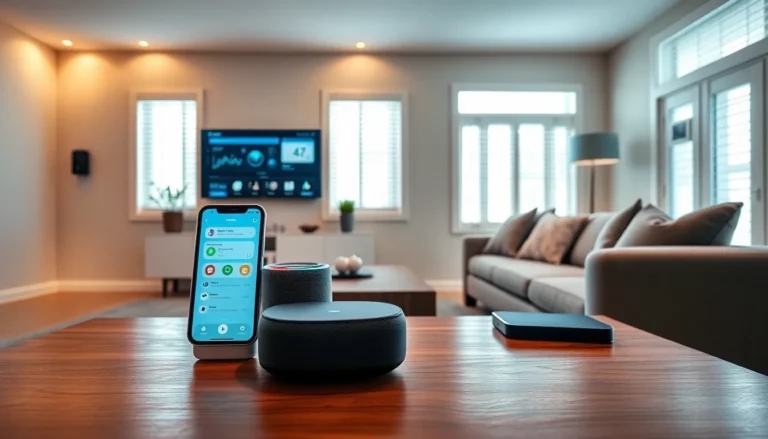
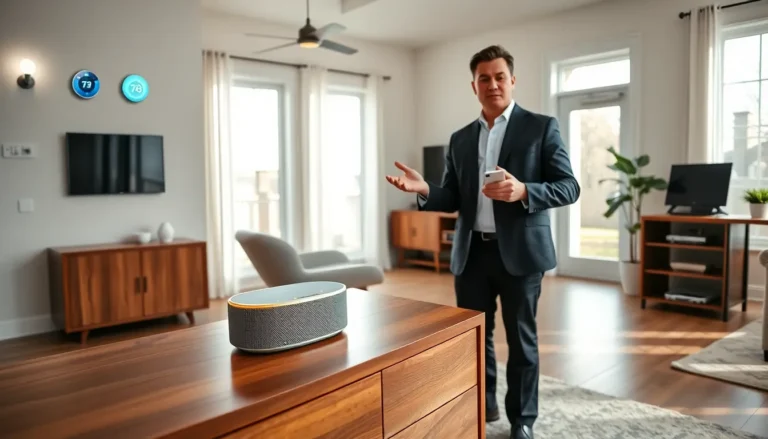
Voice assistants act as the command center for many smart homes. Amazon Alexa, Google Assistant, and Apple Siri power devices that respond to spoken commands. Users can ask questions, set timers, play music, and control other connected devices hands-free.
Smart speakers like the Amazon Echo, Google Nest, and Apple HomePod combine quality audio with voice assistant functionality. These devices have become entry points for many people exploring smart home tech tools. They’re affordable, easy to set up, and immediately useful.
Beyond basic commands, voice assistants enable routines. A single phrase like “Good morning” can trigger the lights to turn on, the coffee maker to start, and the morning news to play. This automation saves time and creates consistent daily patterns.
Smart Lighting and Climate Control
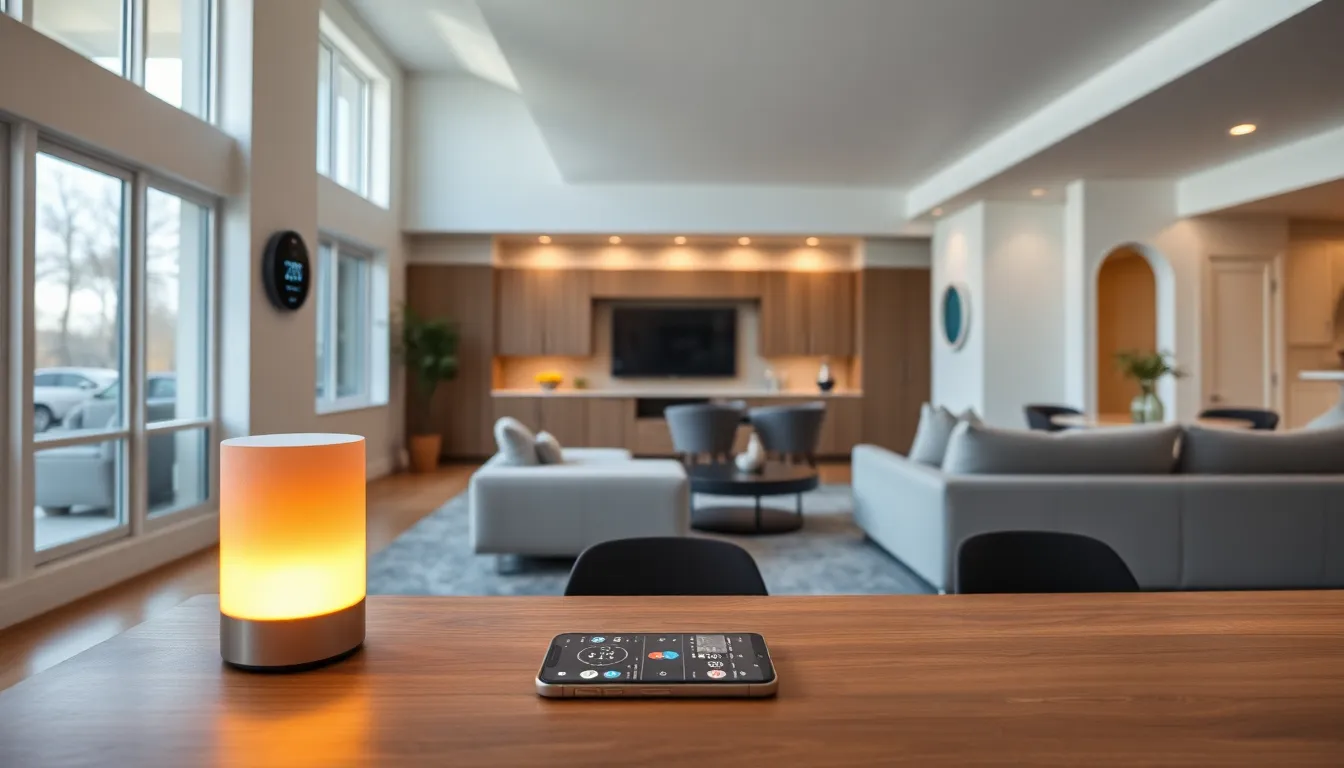
Smart lighting offers both convenience and energy savings. Brands like Philips Hue, LIFX, and Wyze produce bulbs that users can dim, change colors, and schedule remotely. Motion sensors can trigger lights automatically, reducing energy waste in unoccupied rooms.
Smart thermostats represent some of the most practical smart home tech tools available. Devices from Nest, Ecobee, and Honeywell learn household patterns and adjust temperatures accordingly. The U.S. Department of Energy estimates that programmable thermostats can save homeowners up to 10% annually on heating and cooling costs when used properly.
Climate control extends beyond thermostats. Smart ceiling fans, air purifiers, and humidifiers all connect to home networks. Users can monitor air quality, adjust humidity levels, and maintain comfortable temperatures throughout their homes.
Choosing the Right Smart Home Ecosystem
Selecting an ecosystem is one of the most important decisions when building a smart home. The three major platforms, Amazon Alexa, Google Home, and Apple HomeKit, each have strengths and limitations.
Amazon Alexa offers the widest device compatibility. Thousands of smart home tech tools work with Alexa, making it the most flexible option. It’s ideal for users who want maximum choice in devices and brands.
Google Home excels at search integration and natural language processing. It handles complex questions well and integrates tightly with Google services like Calendar and Gmail.
Apple HomeKit provides the strongest privacy protections and works seamlessly with iPhones, iPads, and Macs. But, it supports fewer third-party devices than its competitors.
Consider these factors when choosing:
- Existing devices: What smartphones and tablets does the household use?
- Device compatibility: Which smart home tech tools do you want to add?
- Privacy priorities: How important is data protection?
- Budget: Some ecosystems require more expensive hardware.
The Matter standard, launched in 2022, aims to bridge these ecosystems. Devices certified with Matter work across all major platforms, reducing the lock-in effect of choosing one ecosystem. As more manufacturers adopt Matter, switching between platforms becomes easier.
Security and Privacy Considerations
Smart home tech tools collect data about daily habits, schedules, and preferences. This information helps devices work better, but it also creates privacy risks. Users should understand these concerns before building a connected home.
Common security risks include:
- Weak or default passwords on devices
- Outdated firmware with known vulnerabilities
- Unsecured Wi-Fi networks
- Data collection by device manufacturers
Protecting a smart home requires several steps. First, change default passwords on all devices immediately after setup. Use unique, strong passwords for each device and the home network. Enable two-factor authentication wherever available.
Keep all smart home tech tools updated. Manufacturers release firmware updates to patch security holes. Many devices offer automatic updates, enable this feature when possible.
Create a separate network for smart home devices. Many routers support guest networks or VLANs that isolate connected gadgets from computers and phones containing sensitive data. If one device gets compromised, this separation limits the damage.
Research manufacturers before purchasing. Companies with clear privacy policies and regular update schedules pose less risk than unknown brands offering cheap alternatives. Reading reviews that specifically mention security can reveal potential issues.
Some users prefer local-control smart home tech tools that don’t require cloud connections. Products from companies like Home Assistant allow for complete local operation, keeping data within the home network.