
Smart home tech vs traditional home systems represents one of the most significant decisions homeowners face today. The choice affects daily convenience, long-term costs, and home security. Smart home technology offers automation and remote control. Traditional systems provide simplicity and proven reliability. This guide compares both options across key factors. Readers will learn about costs, installation requirements, security concerns, and lifestyle fit. The right choice depends on individual needs, budget, and comfort with technology.
Table of Contents
ToggleKey Takeaways
- Smart home tech vs traditional home systems depends on your budget, tech comfort level, and lifestyle needs.
- Smart thermostats and lighting can reduce energy bills by 10-15%, often offsetting higher upfront costs within 2-5 years.
- Traditional systems offer proven reliability and work during internet outages without software updates or compatibility issues.
- Connected smart devices introduce potential security vulnerabilities, so use unique passwords, two-factor authentication, and updated firmware.
- A hybrid approach—combining smart thermostats and doorbells with traditional switches—lets homeowners test automation without full commitment.
- Over 60% of U.S. households already own at least one smart device, making gradual adoption an affordable way to modernize your home.
Understanding Smart Home Technology
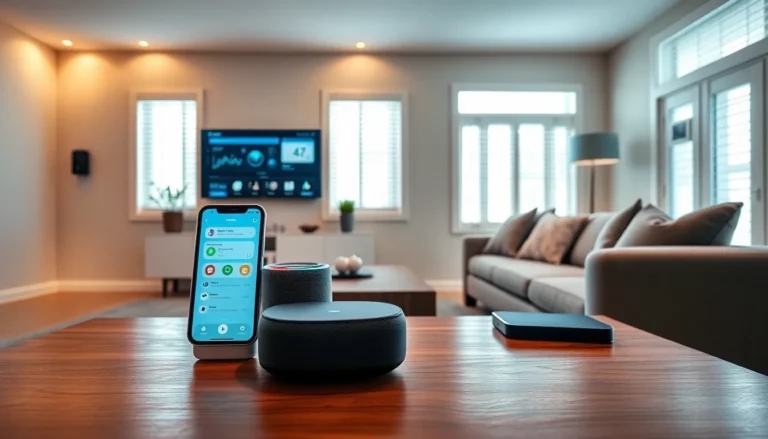
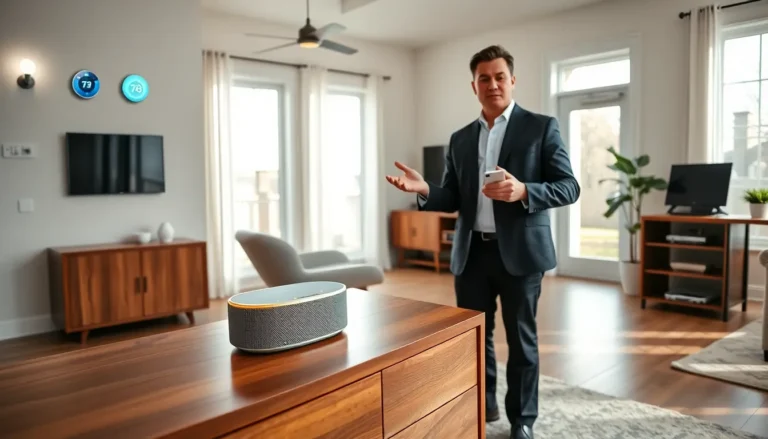
Smart home technology connects devices through the internet. Homeowners control lighting, thermostats, locks, and appliances from smartphones or voice assistants. Popular platforms include Amazon Alexa, Google Home, and Apple HomeKit.
Smart home tech uses sensors, Wi-Fi, and automation protocols. A smart thermostat learns household patterns and adjusts temperature automatically. Smart lights turn on at sunset or respond to motion. Door locks send alerts when someone enters.
The smart home market continues growing rapidly. Research shows over 60% of U.S. households own at least one smart device. Common entry points include smart speakers, video doorbells, and connected thermostats.
Integration stands as a key advantage. Devices from different manufacturers can work together through central hubs. A single app might control dozens of functions throughout the home. Automation routines handle repetitive tasks without manual input.
Smart home tech requires reliable internet connectivity. Most devices need constant connection to function fully. Some offer limited offline capabilities, but remote access depends on Wi-Fi.
Benefits of Traditional Home Systems
Traditional home systems operate without internet connection. Manual switches control lights. Standard thermostats use simple dials or basic programming. Mechanical locks require physical keys.
Reliability represents the strongest advantage of traditional systems. They function during internet outages and power disruptions (with battery backup). No software updates cause unexpected behavior changes. No compatibility issues arise between components.
Traditional systems require minimal technical knowledge. Anyone can flip a light switch or turn a key. No apps to download. No accounts to create. No passwords to remember.
Maintenance tends to be straightforward. A broken light switch costs a few dollars to replace. Local electricians and handymen understand these systems well. Parts remain available for decades.
Privacy concerns don’t apply to traditional systems. No data collection occurs. No company tracks usage patterns. No hackers can access mechanical locks remotely.
Some homeowners prefer the tactile experience of traditional controls. Physical switches provide instant feedback. There’s no waiting for apps to load or voice commands to process.
Key Differences in Cost and Installation
Smart home tech carries higher upfront costs than traditional alternatives. A smart thermostat runs $150-$300. A standard programmable thermostat costs $25-$50. Smart locks range from $150-$400. Traditional deadbolts cost $30-$100.
Installation complexity varies significantly. Many smart devices require professional setup. Traditional systems often allow DIY installation. Electricians charge $50-$100 per hour for smart home work.
Long-term costs tell a different story. Smart thermostats can reduce energy bills by 10-15% annually. Smart lighting systems help homeowners avoid leaving lights on. These savings offset initial investments over 2-5 years.
Traditional systems have lower replacement costs. When a component fails, replacements are inexpensive and widely available. Smart devices may become obsolete as technology advances. Manufacturers sometimes discontinue support for older products.
Smart home tech often requires subscriptions for full functionality. Cloud storage for security cameras costs $3-$30 monthly. Some features lock behind paid tiers. Traditional systems have no recurring fees.
The comparison of smart home tech vs traditional systems depends heavily on the homeowner’s budget timeline. Those planning to stay in their home long-term may benefit more from smart investments.
Security and Privacy Considerations
Smart home tech offers advanced security features. Motion-activated cameras record video evidence. Smart locks create access logs. Leak sensors detect water damage early. Smoke detectors send phone alerts even when homeowners travel.
But, connected devices create potential entry points for hackers. Weak passwords and outdated firmware create vulnerabilities. In 2023, researchers found security flaws in several popular smart home brands.
Privacy concerns accompany smart home tech. Devices with microphones listen for wake words constantly. Companies collect usage data for product improvement and advertising. Some users feel uncomfortable with this surveillance.
Traditional systems provide security through physical barriers. Quality deadbolts, window locks, and alarm systems protect homes effectively. No internet connection means no remote hacking risk.
The smart home tech vs traditional debate around security has no clear winner. Smart systems offer more features but introduce new risks. Traditional systems are simpler but lack remote monitoring capabilities.
Best practices for smart home security include using unique passwords, enabling two-factor authentication, keeping firmware updated, and buying from reputable manufacturers. A dedicated network for smart devices adds another protection layer.
Making the Right Choice for Your Lifestyle
Several factors determine whether smart home tech or traditional systems fit better. Tech comfort level matters most. Those who struggle with smartphones may find smart devices frustrating.
Home ownership status affects the decision. Renters often can’t modify electrical systems or install permanent devices. Many smart home products work without permanent installation, making them renter-friendly.
Daily routines influence the value of automation. People with consistent schedules benefit from programmed thermostats and lighting. Those with unpredictable lives may not use smart features fully.
Family composition plays a role. Homes with elderly residents or young children need systems everyone can operate. Voice control helps those with mobility limitations. But tech-resistant family members may prefer traditional switches.
A hybrid approach works for many households. Smart thermostats and doorbells provide high value with minimal complexity. Traditional switches can remain for basic lighting. This gradual adoption lets homeowners test smart home tech without full commitment.
Budget constraints guide practical decisions. Starting with one or two smart devices tests the waters affordably. Expanding the system over time spreads costs across months or years.