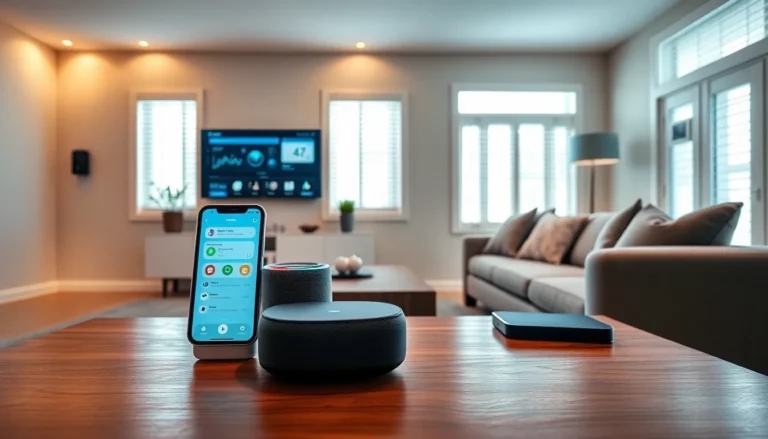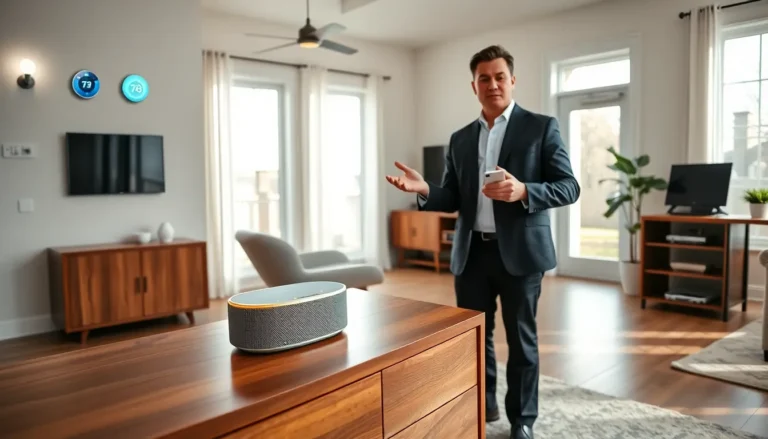

Smart home tech transforms ordinary houses into connected, automated living spaces. These systems let homeowners control lights, locks, thermostats, and appliances through smartphones or voice commands. The global smart home market reached $121 billion in 2024, and adoption continues to grow as devices become more affordable and user-friendly.
But what exactly makes a home “smart”? At its core, smart home technology connects everyday devices to the internet and to each other. This connection allows for remote control, automation, and monitoring, all from a single app or voice assistant. Whether someone wants to save energy, boost security, or simply make daily tasks easier, smart home tech offers practical solutions for modern living.
Table of Contents
ToggleKey Takeaways
- Smart home tech connects everyday devices to the internet, enabling remote control, automation, and monitoring from a single app or voice assistant.
- Core components include connected devices, a central hub (like Amazon Echo or Google Nest), and a network using Wi-Fi, Bluetooth, or protocols like Zigbee and Matter.
- Smart thermostats and lighting can reduce home energy use by 10-25% by optimizing based on occupancy and schedules.
- Security features like video doorbells, smart locks, and motion sensors allow real-time monitoring and remote access control.
- Start small with a voice assistant and smart plugs to test how smart home tech fits your daily routine before expanding.
- Always secure your network with strong passwords and firmware updates, as connected devices can pose privacy and security risks.
How Smart Home Technology Works
Smart home tech relies on three key components: connected devices, a central hub or controller, and a network that links everything together.
Connected devices are the physical products, thermostats, door locks, cameras, light bulbs, equipped with sensors and wireless connectivity. These devices collect data about their environment and respond to commands.
The hub or controller acts as the brain of a smart home system. Popular options include Amazon Echo, Google Nest Hub, and Apple HomePod. Some smart home devices work independently through Wi-Fi, while others require a dedicated hub that uses protocols like Zigbee or Z-Wave.
The network enables communication between devices. Most smart home tech uses Wi-Fi, Bluetooth, or specialized wireless protocols. The newer Matter standard, launched in 2022, aims to make devices from different manufacturers work together seamlessly.
Here’s a simple example: A smart thermostat detects that no one is home using motion sensors or geofencing. It sends this information through the home network to the central controller. The controller then adjusts the temperature to save energy. When someone returns, the system notices and restores comfortable settings automatically.
Voice assistants like Alexa, Google Assistant, and Siri add another layer of control. Users can speak commands, “Turn off the living room lights” or “Lock the front door”, and the assistant communicates with the appropriate device.
Common Types of Smart Home Devices
Smart home tech spans several categories. Each serves a different purpose, though many work best when integrated together.
Smart Lighting
Smart bulbs and switches let users control brightness, color, and scheduling. Brands like Philips Hue and LIFX offer bulbs that can display millions of colors. Users can set lights to turn on at sunset, dim during movie time, or flash when someone rings the doorbell.
Smart Thermostats
Devices like the Nest Learning Thermostat and Ecobee learn household patterns over time. They adjust heating and cooling automatically, which can reduce energy bills by 10-15% according to manufacturer data.
Smart Security
This category includes video doorbells (Ring, Nest Doorbell), security cameras, smart locks, and motion sensors. Homeowners can monitor their property remotely, receive alerts about suspicious activity, and grant access to visitors without physical keys.
Smart Speakers and Displays
Amazon Echo, Google Nest, and Apple HomePod devices serve as voice-controlled hubs. They play music, answer questions, control other smart devices, and display information on screen models.
Smart Appliances
Refrigerators that track expiration dates, washing machines that start remotely, and ovens that preheat on command, these appliances add convenience to routine tasks. Robot vacuums like Roomba fall into this category too.
Smart Plugs and Outlets
These affordable devices turn ordinary appliances into smart ones. Plug a lamp or coffee maker into a smart plug, and it gains remote control and scheduling capabilities.
Benefits of Smart Home Technology
Smart home tech delivers several practical advantages that explain its growing popularity.
Convenience stands out first. Controlling multiple devices from one app or through voice commands saves time and effort. Forgot to turn off the lights after leaving? One tap fixes it. Want the coffee ready when the alarm goes off? Automation handles it.
Energy savings add up. Smart thermostats optimize heating and cooling based on occupancy. Smart lighting turns off in empty rooms. The U.S. Department of Energy estimates that smart home tech can reduce home energy use by 10-25% when used effectively.
Security improves significantly. Real-time alerts, remote monitoring, and smart locks give homeowners more control over who enters their property. Video doorbells let users see and speak with visitors from anywhere.
Accessibility benefits matter. For elderly individuals or those with disabilities, smart home tech provides independence. Voice control eliminates the need to reach light switches or manually lock doors.
Home value may increase. Real estate data suggests that homes with smart features often sell faster and sometimes command higher prices, particularly among younger buyers who expect connected living.
Potential Drawbacks to Consider
Smart home tech isn’t perfect. Buyers should understand the limitations before investing.
Privacy concerns top the list. Smart devices collect data about daily routines, habits, and activities. This information travels to company servers, where it could potentially be accessed by hackers or shared with third parties. Users should review privacy policies and adjust settings to limit data collection.
Security vulnerabilities exist. Any internet-connected device can become an entry point for cyberattacks. Weak passwords, outdated firmware, and unsecured networks create risks. Regular updates and strong passwords help, but they require ongoing attention.
Compatibility issues frustrate many users. Not all smart home devices work with each other. Someone might buy a smart lock that doesn’t communicate with their existing thermostat or lighting system. The Matter standard addresses this, but adoption remains incomplete.
Internet dependence creates problems. When Wi-Fi goes down, many smart home features stop working. Some devices offer limited local control, but most require an active internet connection.
Costs add up quickly. A single smart bulb seems affordable, but outfitting an entire home with smart devices, hubs, and subscriptions (some cameras require monthly fees for cloud storage) gets expensive fast.
Getting Started With Smart Home Tech
Building a smart home doesn’t require buying everything at once. A gradual approach works best for most people.
Start with a voice assistant. An Amazon Echo or Google Nest speaker costs under $50 and provides the foundation for controlling future devices. This single purchase reveals how smart home tech fits into daily routines.
Identify one problem to solve. Maybe it’s coming home to a dark house, forgetting to adjust the thermostat, or wanting to check who’s at the door. Pick one issue and choose a device that addresses it specifically.
Check compatibility before buying. Verify that any new device works with the voice assistant and other equipment already in the home. Product descriptions list compatible platforms, look for “Works with Alexa” or “Works with Google Home.”
Prioritize devices with local control. Some smart home products function without constant internet access. These prove more reliable during outages.
Secure the network. Use strong, unique passwords for each device. Enable two-factor authentication where available. Keep firmware updated. Consider creating a separate Wi-Fi network just for smart home devices.
Don’t overlook smart plugs. At $10-25 each, smart plugs offer the cheapest way to add intelligence to existing lamps, fans, and small appliances. They’re a low-risk introduction to smart home tech.